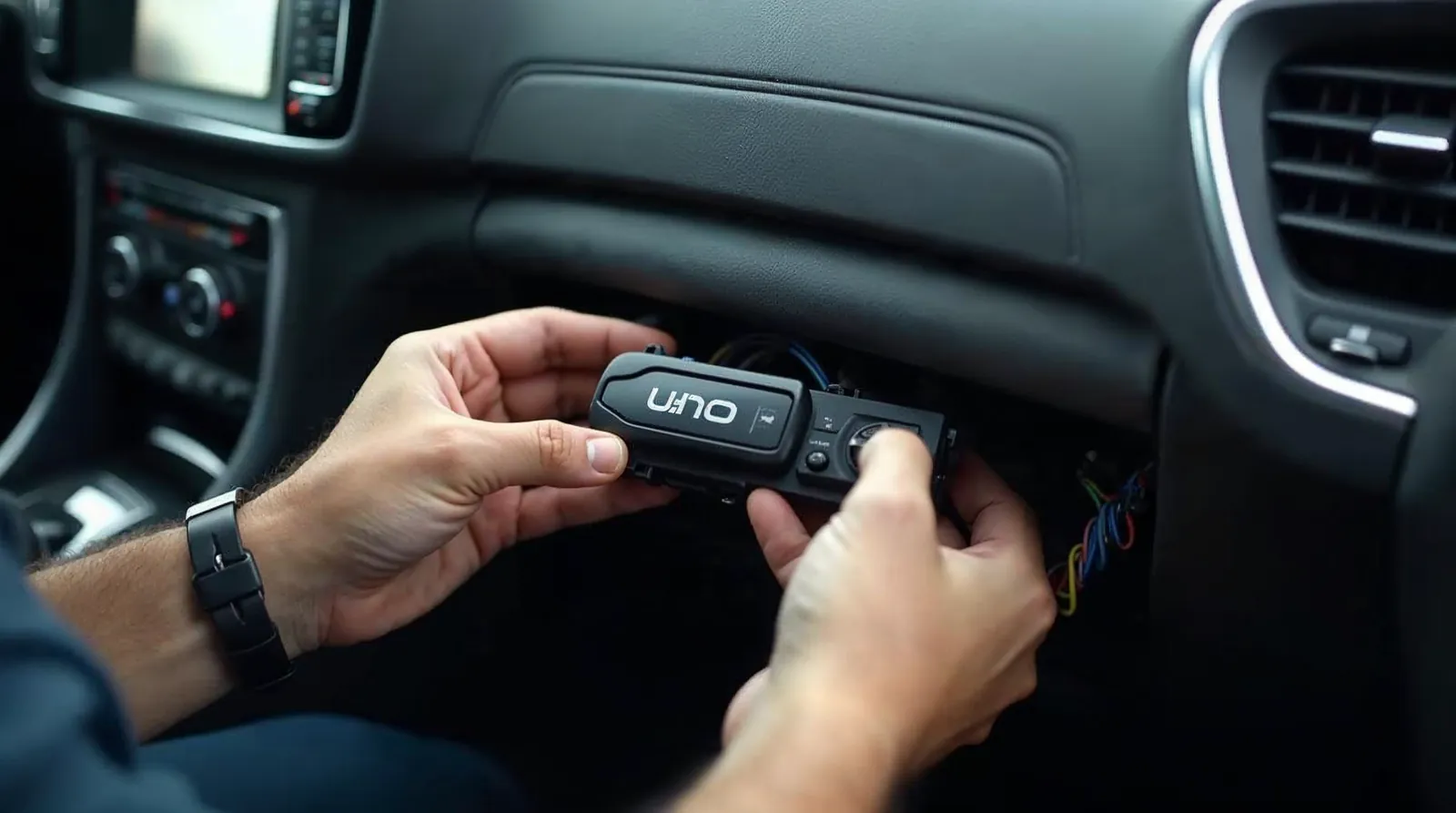
The first time you hold a small aftermarket alarm module in your hand, it is easy to underestimate the job ahead. The plastic brain is compact, often no larger than a cigarette packet, but it has to command sensors, sirens, immobiliser circuits and door triggers across the whole vehicle. In the Gulf heat, every connection also has to survive cabin temperatures that punish cheap tape and hurried wiring. A tidy install is not just about cosmetics. It is about reliability when you park outside a mall in Doha or leave the car at a corniche at night.
Many drivers assume the hardest part is choosing the alarm. In reality, the mounting position and wiring route decide whether the system behaves predictably for years. The small alarm brain should be installed somewhere close to the centre of the car and out of sight. Under a seat or under the dash near the steering column are common choices. That central position shortens sensor wiring, reduces interference and makes the module harder for a thief to reach quickly. Once the location is settled, every other decision follows from it.
Choosing hardware that suits Gulf conditions
Heat is the first filter for any alarm bought in this region. Cabin temperatures can exceed seventy degrees Celsius in summer, and modules mounted under the dash suffer repeated thermal cycling. Look for systems with sealed housings, wide operating temperature ratings and connectors that lock firmly rather than relying on bare crimps. A siren mounted in the engine bay needs a weatherproof body and a bracket that will not rust after one humid season near the coast.
New alarm or upgrade to the factory system
Some cars already have an immobiliser from the factory, and a full aftermarket alarm may duplicate parts of that system. In that case a CAN bus interface can let the new alarm read the original door, bonnet and boot signals without splicing dozens of wires. This approach is cleaner, but it depends on the exact model and year. The installer should confirm compatibility before ordering any interface module. If the car has no factory immobiliser, the aftermarket unit should include an engine cut relay or a coded immobiliser circuit. That is the part that actually stops a thief from driving away, not just the siren.
Installation choices that affect reliability
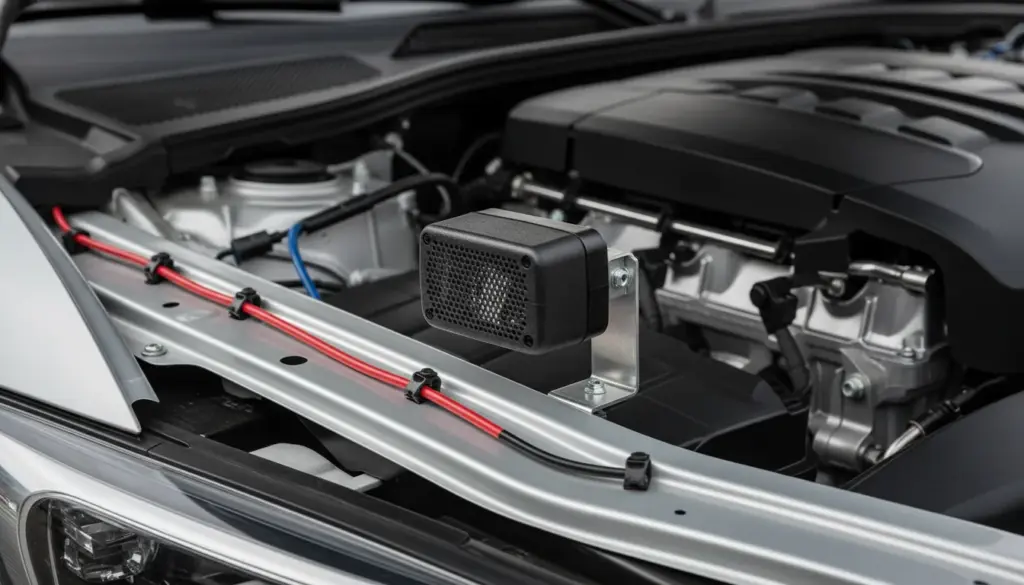
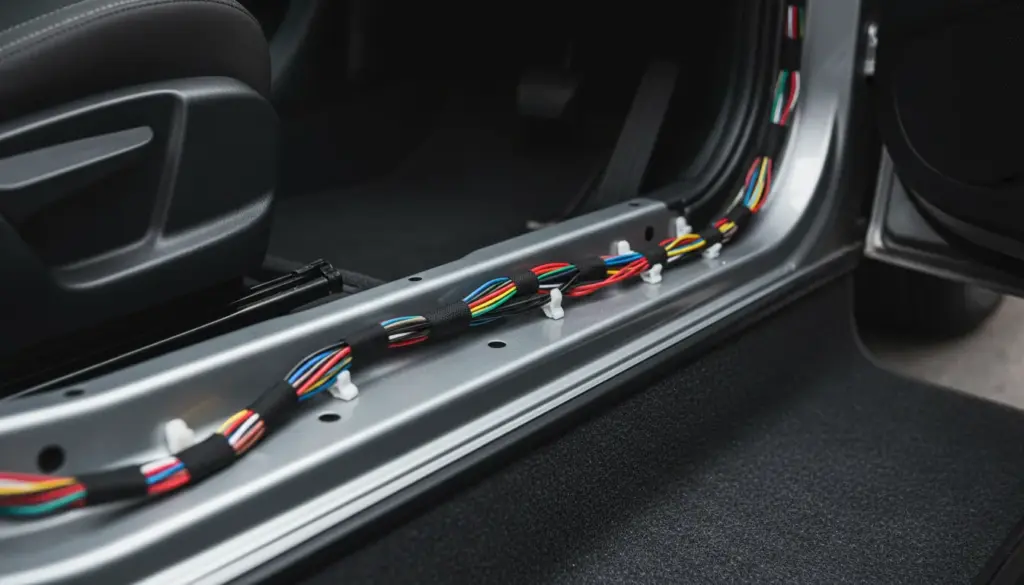
Wiring is where most aftermarket alarms fail early. A good installer will solder or use sealed crimp connectors, then wrap the loom in abrasion-resistant sleeving. Loose scotch locks and twisted wires work for a few weeks, then cause false alarms, flat batteries or a car that refuses to start. In humid coastal air, exposed copper corrodes faster than many drivers expect. The siren should be mounted away from obvious reach and pointed so water cannot pool inside it. Many installers place it behind the front bumper or high in the engine bay, with a separate backup battery if the main vehicle battery is disconnected.
Professional fitting versus a DIY weekend
Keep in mind that most aftermarket alarms require professional installation, so while alarm hardware bought online may be fairly inexpensive, the labour and interface modules can change the total cost. A modern vehicle with multiplex wiring is not forgiving of trial and error. One wrong splice can damage a body control module that costs far more than the alarm itself. For older vehicles with simple wiring, a careful owner can fit a basic alarm at home. The instruction manual must match the exact model, and the car should have a known wiring diagram. Even then, a second person helps when testing door triggers and bonnet switches.
Living with the system after fitting
A new alarm changes your daily routine. You may need to adjust the shock sensor so a passing lorry does not trigger the siren at two in the morning. Most control modules have a sensitivity dial or a programming sequence using the key fob. Start with a low setting and increase it gradually over a few days in your usual parking spots. Remote range also behaves differently in the Gulf. Underground car parks, tinted glass and metalised window film can reduce the signal from the key fob. If range drops suddenly, check the antenna placement and the fob battery before blaming the alarm.
Testing the alarm the right way
After installation, test every zone methodically. Lock the car with a window open, wait for the system to arm, then reach inside to trigger the interior sensor. Close the window and tap the glass near the shock sensor. Open the bonnet and boot if they are protected. The siren should sound each time, and the immobiliser should prevent the engine from cranking when the alarm is active. Yes, the exact method will depend on the model of your car and whether the alarm is original equipment or aftermarket.
What to ask before you pay
A written quote should list the alarm model, interface modules, sensors, siren location and labour. It should also state whether the installer will remove the old alarm or leave it disconnected. Old wiring left behind can confuse future diagnostics and create phantom battery drains. A clean removal is part of a professional job, not an optional extra. Ask about warranty terms in plain language. A reputable workshop will cover its labour and the hardware for a defined period, and it will explain what is not covered, such as water damage or tampering. Get the warranty details on the invoice, not just as a verbal promise.
- Confirm the alarm supports all factory features you want to keep, such as remote start, folding mirrors or automatic window closing.
- Ask whether the system has a backup siren battery so cutting the main battery does not silence it.
- Check the number of key fobs included and the cost of a spare before you need one.
- Request a wiring diagram or installation note for future repairs, especially if you move to another city or country.
- Find out how to enter valet mode so a parking attendant or workshop can drive the car without triggering the alarm.
- Ask about mobile installation if you cannot leave the car at a workshop for a full day.
- Confirm the installer will test the immobiliser with you present before you accept the vehicle.
Those questions do more than protect your money. They reveal how carefully the workshop thinks about the job. A good installer answers them without hesitation and often adds details you had not considered. A poor one rushes past them and wants the keys as quickly as possible. Heat and dust are constant enemies of car electronics in the Gulf, so once a year ask a workshop to inspect the main connections for corrosion and the siren for blocked drainage holes. A ten minute inspection can prevent the slow failure that leaves you stranded with a silent alarm and an immobilised engine.
If the car battery is replaced, tell the technician that an aftermarket alarm is fitted. Some systems re-arm or enter a panic state when power is restored. The technician may need the override procedure or the valet code to complete the battery swap without locking the car down. A note taped inside the fuse box can save a long wait at the roadside. An aftermarket alarm is not a one time purchase. It is a system that lives with the car, responds to the climate and depends on the quality of its installation. Choose the hardware carefully, test it honestly. Then the next time you walk away from the car, the chirp from the siren means something real.