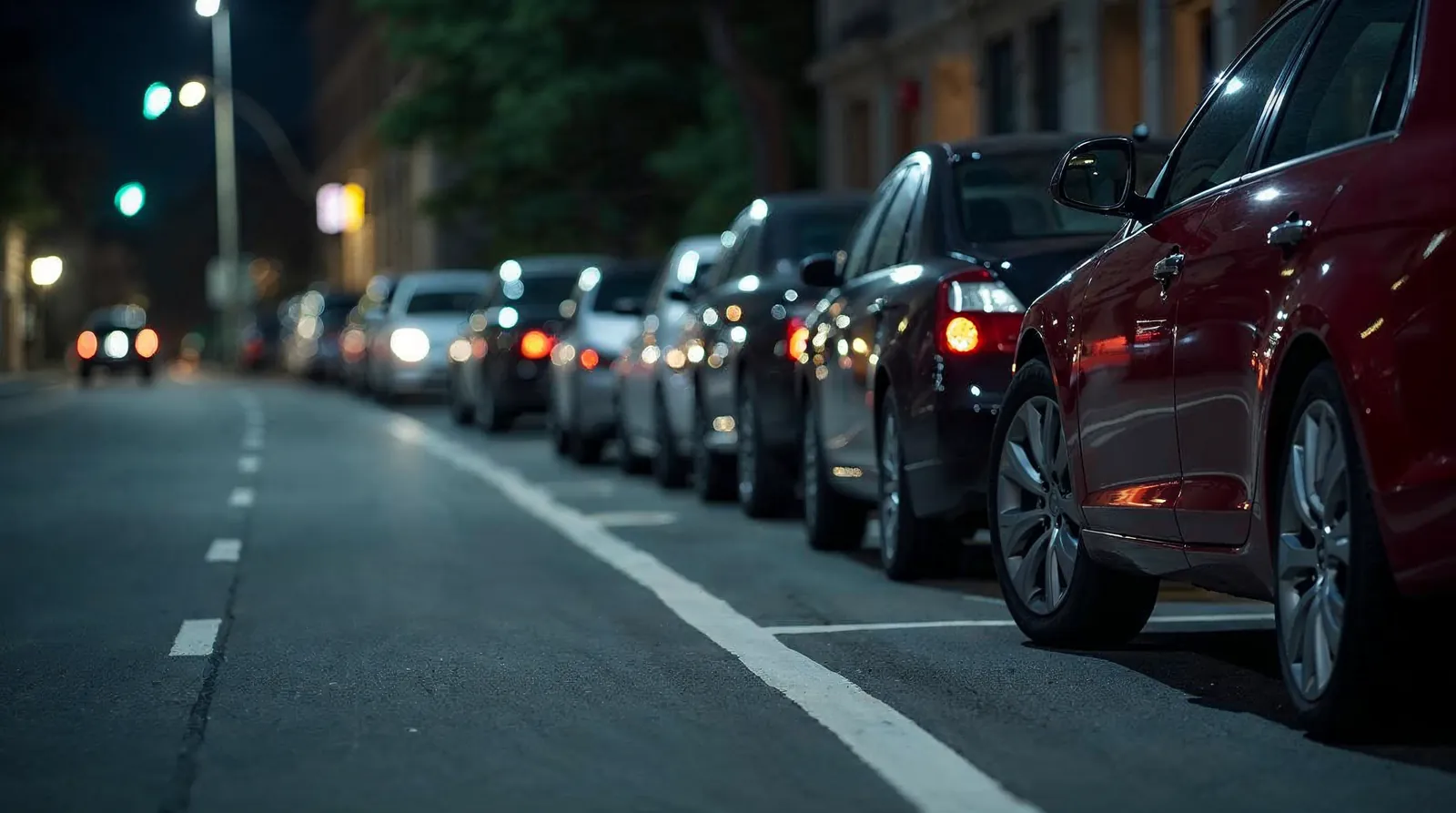
Every year, hundreds of thousands of drivers return to an empty parking space. The car was locked, the keys were in a pocket, and yet the vehicle simply vanished. Vehicle theft is not a distant problem confined to crowded megacities. It follows specific patterns, targets particular models, and shifts with new technology in ways that owners often miss.
In the United States alone, 850,708 vehicle thefts were reported in 2024. That figure is actually a 17 percent decrease from 2023 and the largest annual decline in four decades, according to the National Insurance Crime Bureau. The drop is encouraging, but the scale remains enormous. A car disappears frequently somewhere in the country, and the methods used are increasingly clever.
The North American Theft Map
The ten most stolen vehicles of 2023 in the United States were the Hyundai Elantra, Hyundai Sonata, Kia Optima, Chevrolet Silverado 1500, Kia Soul, Honda Accord, Honda Civic, Kia Forte, Ford F150 Series Pickup, and Kia Sportage. Thieves want cars that blend in. They also want parts that sell quickly. They also want vehicles that can be moved across borders without drawing attention.
Online trends have driven up theft rates in specific cars, particularly older models without modern anti-theft technology. Certain social media videos have exposed vulnerabilities in specific Hyundai and Kia vehicles, leading to a surge in thefts of those brands. This digital spotlight transformed a known security gap into a widespread epidemic almost overnight. The result pushed several of those models directly onto the national most-stolen list.
Ontario’s Frequency Problem
Ontario remains a major target for vehicle theft, with many of the same vehicles appearing on the provincial list. The Honda CR-V, Dodge RAM 1500 Series, Honda Civic, Jeep Wrangler, Ford F-150 Series, Toyota Tundra, Lexus RX Series, Toyota RAV4, Toyota Highlander, and Land Rover or Range Rover Series all rank high. What makes Ontario interesting is not just the count but the frequency. A vehicle stolen most often is not necessarily the vehicle most likely to be stolen. Ontario’s Toyota Grand Highlander had a reported theft frequency of approximately 8.6 percent in 2025. That means a relatively high proportion of insured vehicles in that model group were stolen, even though other vehicles experienced more thefts overall. For owners, that frequency figure matters more than raw numbers because it reflects your individual exposure.
British Hotspots and Everyday Targets
The most stolen models according to customer claims data include the Ford Fiesta, VW Golf, BMW 3 Series, Ford Focus, BMW 1 Series, Mercedes C Class, Audi A3, Range Rover Sport, Vauxhall Corsa, and Vauxhall Astra. The list mixes cheap hatchbacks with premium saloons and luxury SUVs. That spread reflects two different theft economies. One targets older cars for parts and joyriding, while the other targets high value vehicles for export or cloning.
If you drive or park in these areas, a steering lock, an alarm, or simply being more careful about where you leave the car could prevent a very bad morning. The geography of theft is not random, and certain vehicles attract more attention because of their abundance or known security weaknesses. Thieves work near major roads, ports, and areas where they can move a vehicle quickly after taking it. Basic habits like locking your doors and parking in well-lit places can also help reduce your risk.
| Region | Most Stolen Model | Theft Pattern |
|---|---|---|
| United States | Hyundai Elantra | Volume commuter cars, older models |
| Canada | Honda CR-V | SUVs and pickups for export |
| Ontario | Honda CR-V | High frequency in specific model groups |
| United Kingdom | Ford Fiesta | Hatchbacks plus premium saloons |
How Thieves Actually Take Cars
Modern theft methods split into two broad families. The first is the old fashioned physical attack on locks, steering columns, and ignition barrels. This works on older vehicles without electronic immobilisers. The second family is electronic, and it is growing fast. Criminals have found ways to exploit vulnerabilities in keyless entry and electronic ignition systems, even on newer cars with advanced security technology.
Relay attacks are the most discussed electronic method. Two thieves work together, one standing near your front door with a device that picks up the signal from your key fob inside the house, and another standing near the car with a receiver. The signal is relayed from the key to the car, which unlocks and starts as if the key were present. The whole process can take under a minute and leaves no broken glass.
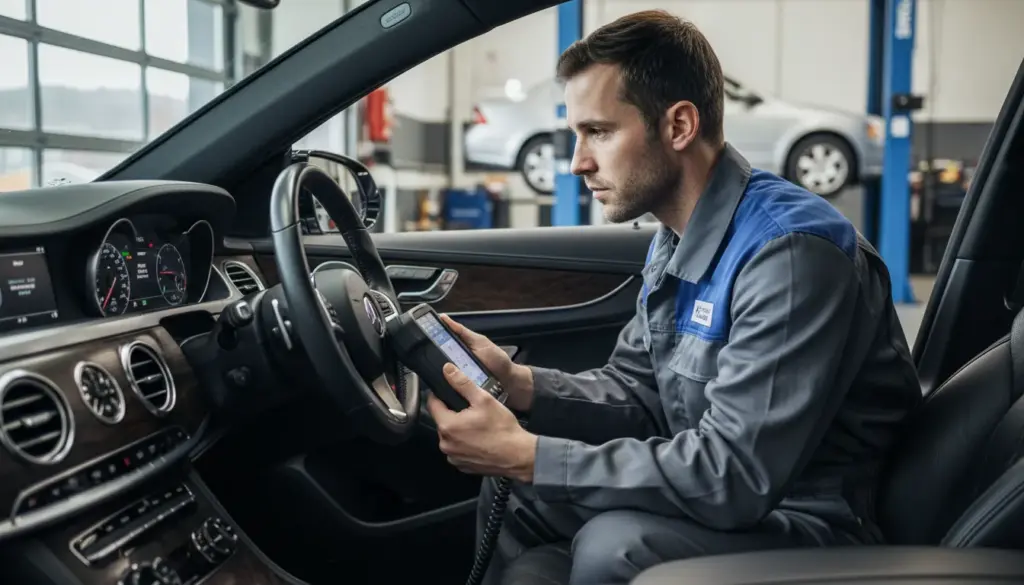
Another method is the OBD port attack. A thief breaks into the car, plugs a device into the onboard diagnostics port, and programmes a blank key to start the vehicle. This works on many modern cars because the diagnostic port grants deep access to the vehicle’s electronic brain. Once a new key is coded, the car can be driven away normally and sold with no obvious sign of tampering.
Parts Theft and Cloning
Stolen car parts, from catalytic converters to bumpers, doors, wheels and hoods are also on the rise. Thieves target these components because they are difficult to trace and can be sold quickly to unsuspecting buyers or repair shops. To avoid unknowingly having stolen parts installed on your vehicle, it is wise to use repair shops with Automotive Service Excellence certified technicians. Getting shop recommendations from friends, family or your insurance provider adds another layer of protection. You should also ask for a written warranty for installed parts and completed paint work.
Cloning is a related problem. A stolen car is given the identity of a legitimate vehicle of the same make, model, and colour. The thief copies a real Vehicle Identification Number from a car parked elsewhere, creates fake plates and documents, and sells the stolen car as a used vehicle. The buyer may not discover the truth until the car is confiscated and returned to its original owner.
To avoid buying a stolen car or part, check the Vehicle Identification Number with your motor vehicle department and run a title search. Have the car inspected by a trusted mechanic and contact your insurer to ask whether any pre purchase verification services are available. Be wary of buying from anyone you do not know who uses only a mobile phone for contact, especially in online ads. Walk away if you do not trust the seller and something does not feel right.
Practical Countermeasures That Work
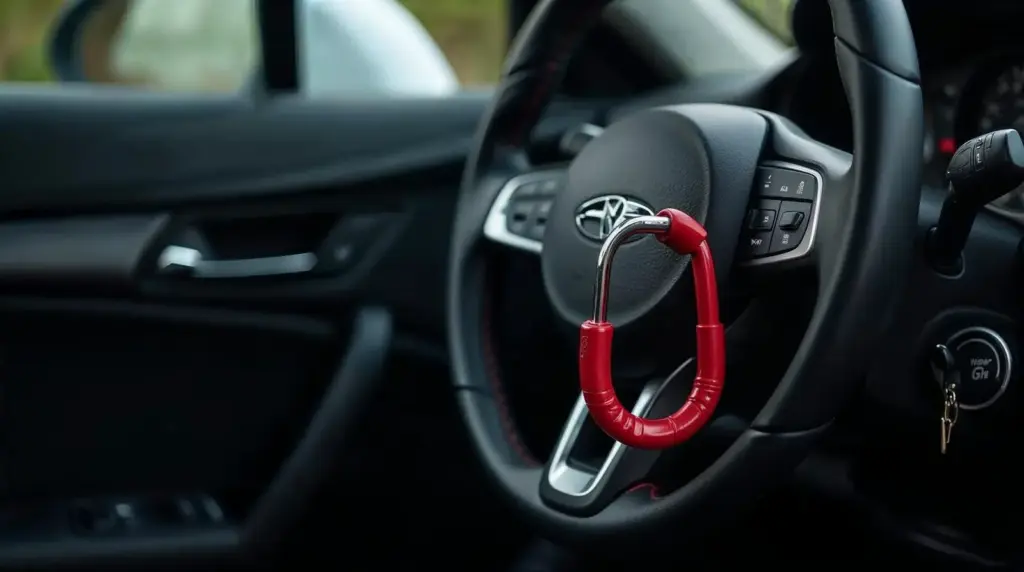
Physical locks still have value even in an electronic age. A steering wheel lock or pedal lock forces a thief to spend extra minutes and make noise. A wheel clamp is even more obstructive, though less practical for daily use. These tools do not stop a determined professional, but they deter the opportunistic thief who wants to be gone in under a minute.
Electronic countermeasures matter more for keyless cars. Keep your key fob in a signal blocking pouch or metal tin when you are at home. This blocks the relay signal that thieves need to extend your key’s range. Some vehicles allow you to disable keyless entry in the settings menu, which is worth doing if you park on the street overnight. A hidden kill switch or a secondary immobiliser can also prevent an OBD port attack from ending in a driven away car.
Where You Park and How You Check
Vehicle theft is falling in North America after several record breaking years, and that is a real improvement. But the decline comes from better awareness and layered security, not from thieves giving up. The cars most at risk are everyday models with known weaknesses, parked in predictable places, and protected by nothing more than a factory system that criminals already understand. A few simple changes make your car a much harder target.