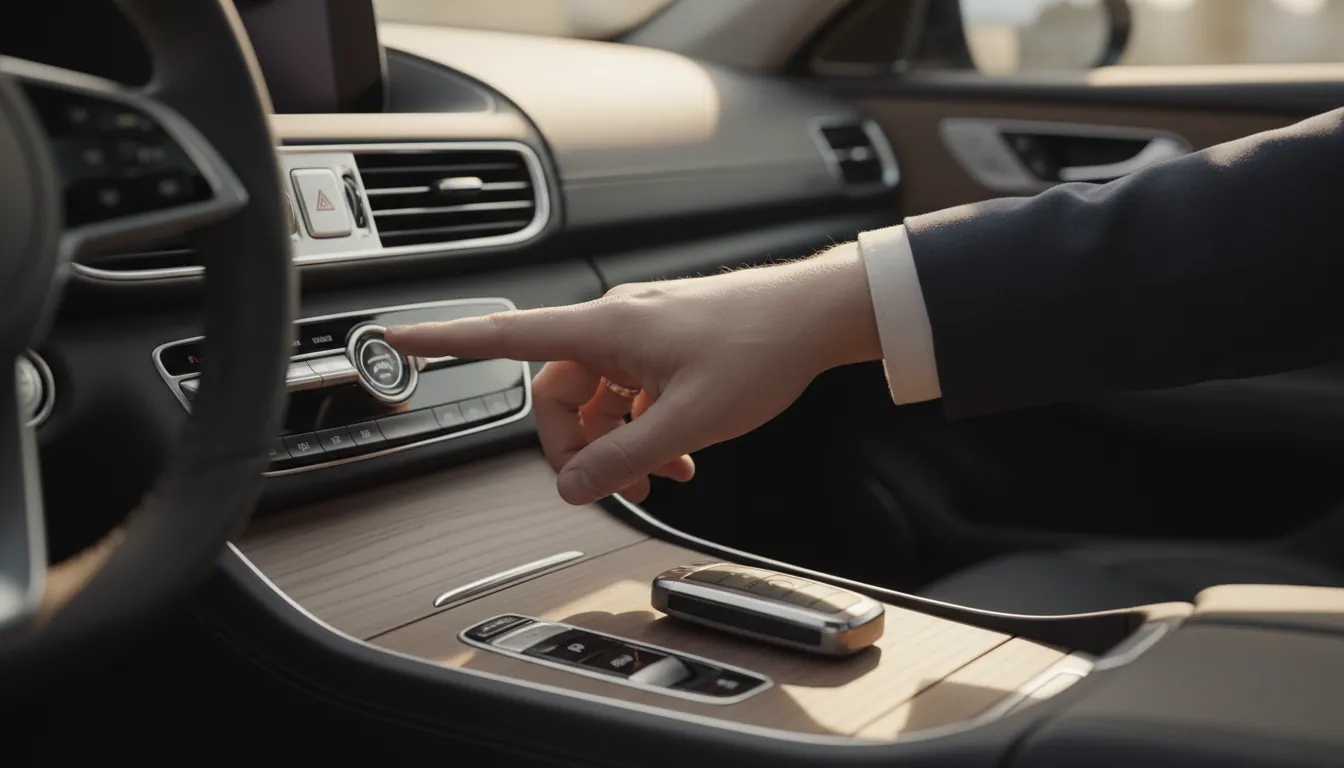
Slip behind the wheel of a modern car on a sweltering Doha afternoon and you perform a small ritual without even thinking. The key fob stays buried in your pocket or handbag, the door handle yields to a simple touch, and a press of a dashboard button awakens the engine. It feels effortless, almost magical, but underneath that quiet convenience sits a carefully choreographed conversation between your fob and the vehicle’s computer. Understanding that dialogue is the first step toward diagnosing the moments when the magic suddenly fails.
The system is often called a smart key, though the word fob itself harks back to an 18th‑century term for a small pocket watch chain. Today that fob houses a miniature radio transmitter that constantly listens for a specific low‑frequency challenge signal broadcast by the car. When the fob hears that signal and replies with the correct unique code, the vehicle’s body control module grants permission to unlock the doors and, later, to fire the ignition. The whole exchange unfolds in milliseconds, yet it has more layers than most drivers ever suspect.
The Two Halves of a Keyless System
Most setups actually bundle two distinct functions into one tidy package. Remote keyless entry, often shortened to RKE, handles the door locks and sometimes the boot release. Remote keyless ignition, or RKI, takes care of starting and stopping the engine. Both rely on the same fob, but they use different antennae and validation logic inside the car. The entry side typically wakes up when you grasp a door handle, while the ignition side waits until you occupy the driver’s seat and press the brake pedal.
Manufacturers design the entry antennas to shape a detection bubble tightly around the vehicle. The car sends out a low‑frequency radio pulse, and if the fob is inside that bubble it responds with its encrypted identifier. This is how your car knows whether the fob is inside the cabin or merely standing immediately outside on the driveway. The distinction matters enormously because a fob detected outside should never authorise an engine start, a safeguard that prevents a thief from reaching through an open window and driving away.
Why the Fob’s Position Matters
The vehicle’s computer maps signal strength and timing across multiple interior and exterior antennae to triangulate the fob’s location. If the strongest response comes from a rear‑bumper antenna, the system concludes the fob is outside and blocks ignition. If the centre‑console antenna reports the dominant signal, the car knows the fob is inside and allows the start sequence. This spatial awareness is not foolproof, relay‑attack thieves exploit it, but for everyday use it works with impressive reliability.
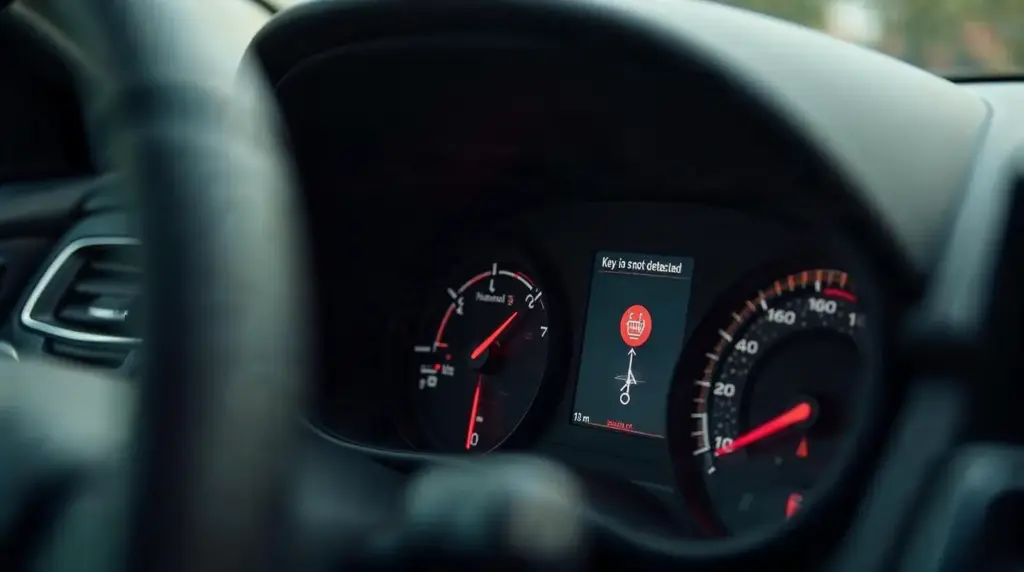
That same spatial logic also triggers the warning you sometimes see on the dashboard. A “key not detected” message usually means the fob is either outside the bubble or blocked by metal objects inside a bag. It can also appear if the fob battery is too weak to shout back convincingly. The next time you see that alert, try moving the fob to a different pocket or holding it directly against the start button, a trick that often coaxes a dying battery through one last authentication.
What Happens When You Press the Button
Pressing the start button is not a simple on‑off switch. It sends a request to the engine control unit, which first checks that the brake pedal is firmly depressed and that the transmission is in Park or Neutral. Only then does it poll the immobiliser system for a valid fob code. If all conditions are met, the starter motor engages and fuel delivery begins. The entire chain of checks happens in less than a second, but any broken link stops the process cold.
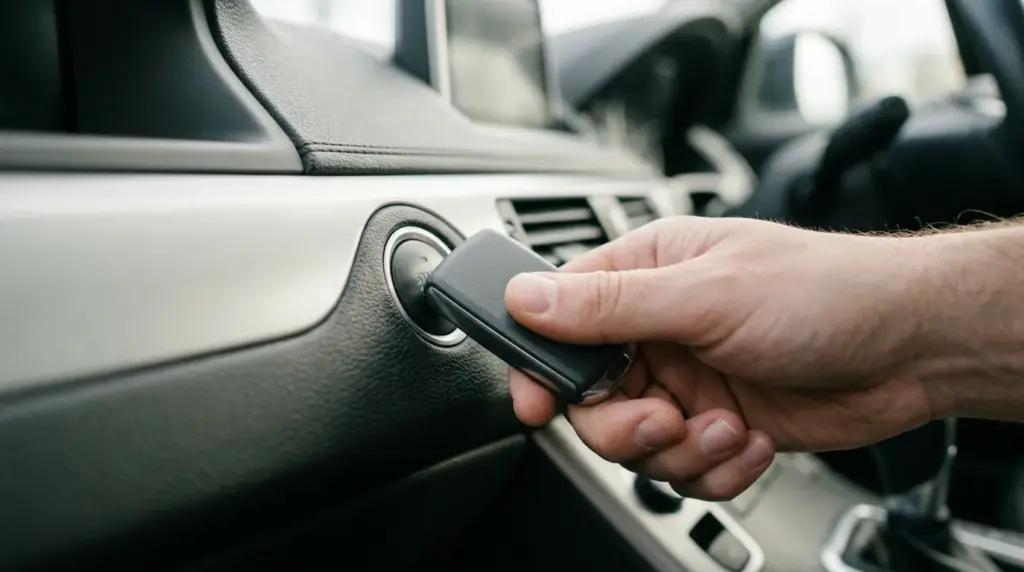
A surprisingly common hiccup in Gulf markets is a brake pedal that is not pressed hard enough. Many drivers rest their foot lightly on the pedal, just enough to illuminate the brake lamps, but the start system demands a definitive signal from the brake‑pedal position sensor. If the dashboard lights up yet the engine stays silent, press the pedal more firmly and try again. It is a simple fix that saves an embarrassing call to roadside assistance.
Another invisible player is the vehicle’s main battery. A weak engine battery can still power the dashboard, infotainment screen and interior lamps, but it may not deliver the heavy current needed to crank the starter. When you hear a rapid clicking sound or see every warning lamp flash simultaneously, the fob is probably fine. The fault lies with the battery under the bonnet, and the solution is a jump‑start followed by a visit to a service centre for a proper replacement.
Common Failures and Quick Remedies
Keyless systems are generally dependable, yet the Gulf climate punishes electronics in specific ways. Heat accelerates battery drain, and a fob left inside a car parked in direct sun can degrade faster than one stored in a cool hallway. Dust and sand also work their way into door‑handle sensors over time, causing intermittent failures to detect a touch. A periodic clean with compressed air often restores normal behaviour without any parts replacement.
When a push-button start refuses to cooperate, a methodical checklist resolves most problems before they escalate. First, confirm that the key fob is actually inside the vehicle, since the system needs its unique low-frequency signal to validate the start command. Next, press the brake pedal firmly, because a light touch may not satisfy the safety interlock. A weak fob battery can also block the signal, so hold the fob close to the start button as a temporary workaround. Finally, if the dashboard lights come on but the engine stays off, the vehicle’s main battery may be weak or dead and require a jump or service.
- Confirm the fob is actually inside the cabin and not left in a jacket hung on the back seat or in a bag placed in the boot.
- Check the dashboard for a “key not detected” warning and, if present, hold the fob directly against the start button while pressing the brake pedal firmly.
- Replace the fob battery with a fresh coin cell, taking care to avoid touching the flat surfaces with bare fingers.
- Inspect the vehicle’s main battery terminals for white or bluish corrosion, which can impede current flow even if the battery holds a charge.
- Ensure the brake pedal is pressed with enough force to trigger the brake‑light switch, a common oversight when the engine bay is silent.
- If the steering wheel feels locked, gently turn it left and right while pressing the start button, as the electronic steering lock may need release.
- Try the spare fob if you have one, because a fob that has been dropped or exposed to moisture can fail internally without visible damage.
After working through these steps, most drivers will either have a running engine or a clear indication that professional help is needed. A persistent no-start with a healthy battery and two known-good fobs points toward a deeper immobiliser or wiring fault. At that stage, a qualified workshop with the proper diagnostic tablet becomes essential. Towing the vehicle is safer than repeated jump-start attempts that can damage sensitive electronics.
Living with Keyless Technology in the Gulf
Modern keyless systems bring undeniable ease, especially when hands are full of shopping or a child needs buckling into a rear seat. They also introduce quirks that owners in Qatar, the UAE and Saudi Arabia learn to anticipate. Sand‑filled door sensors, fob batteries that expire without warning during a desert trip, and the occasional software glitch that demands a full system reset are all part of the ownership experience. None of these are deal‑breakers, but they reward a little preparation.
Unexpected Dangers Worth Knowing
Unfortunately, the technology has also produced serious safety concerns that go beyond mere inconvenience. Drivers have inadvertently left engines running in enclosed garages because the silent idle of a modern petrol motor gives no audible clue, leading to carbon monoxide build‑up. Some vehicles lack a clear automatic shut‑off timer, and a distracted owner can exit the car while it remains ready to drive. Always double‑check that the engine has stopped and the parking brake is engaged before walking away.
Another less obvious risk surfaces during valet parking or car‑wash visits. The attendant may not realise the engine is still live if the fob stays in the vehicle, creating a roll‑away hazard. Make it a habit to watch for the instrument cluster going dark and listen for the steering lock engaging. A moment of visual confirmation costs nothing and averts a slow‑motion disaster in a multi‑storey car park.
Software Traps and Subscription Walls
A newer frustration creeping into keyless platforms is the entanglement of hardware with recurring software subscriptions. Some manufacturers may tie remote start or phone‑based digital key features to a paid service. Drivers may encounter dashboard prompts related to subscription features before using certain keyless functions. It is a trend worth researching before signing a purchase agreement, because the long‑term cost of access can outstrip the initial convenience.
For all their complexity, keyless entry and push-start systems remain one of the most satisfying daily touches in a modern vehicle. They work best when the owner understands the invisible handshake happening inside the car. It also helps to keep a spare fob battery in the glovebox and to respect the occasional need for a firm brake pedal. Treat the system as a partnership rather than a black box, and it will rarely leave you stranded under the fierce Gulf sun.