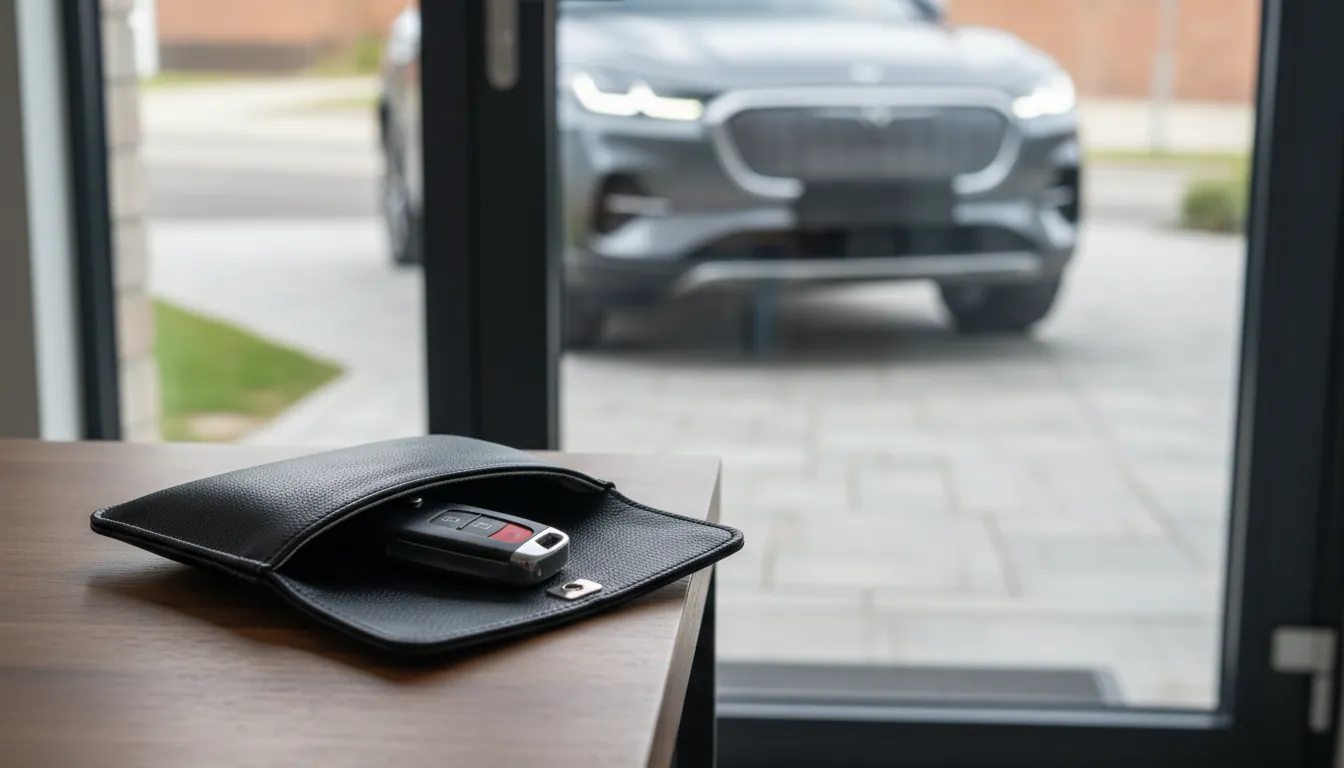
You locked the car and heard the familiar double-beep. The next morning the driveway is empty. No broken glass, no twisted lock, no sign of forced entry at all. That sinking feeling is the hallmark of a relay attack, a theft method that turns your own key fob into an unwitting accomplice.
A relay attack is a cyber-physical heist that intercepts and extends the radio conversation between your car and its key. Instead of smashing a window or hot-wiring the ignition, thieves capture the signal from inside your home and relay it to the vehicle outside. The car is tricked into believing the genuine key is standing right beside it. The whole process is quiet, clean and often over in less than sixty seconds.
The invisible snatch and grab
The car is designed to trust that any correctly coded signal it receives comes from a key nearby. It does not measure distance with any real precision. It only checks whether the right cryptographic handshake is present. Thieves exploit that blind faith by capturing the signal at its source and piping it across a much greater distance than the system ever anticipated.
This type of attack does not require the thief to view or manipulate the intercepted data. The relay equipment simply passes the encrypted signal along unchanged, which makes it distinct from other cyber-attacks that depend on cracking a code. The target system receives a perfectly valid authentication request and responds exactly as it was designed to do. The security failure happens at the physical layer, not the mathematical one.
Two devices, one stolen car
The second thief waits by the vehicle with a receiving unit. The boosted signal travels from the first device to the second, which then rebroadcasts it directly to the car. From the vehicle’s perspective, the correct key has just appeared within range. The doors unlock, the push-button start activates and the engine fires up without a single alarm being triggered.
Once the engine is running, the car typically does not shut itself down just because the signal disappears. That is a safety feature designed to prevent sudden stalls on motorways. The thief can drive off. The only remaining task is to keep the vehicle supplied with fuel until it reaches a place where the electronic identity can be rewritten or the car can be stripped for parts.
Where the key lives makes all the difference
Homes in Qatar and the wider Gulf often feature large driveways and perimeter walls, which can create a false sense of security. A car parked directly against the villa wall may be closer to the key inside than you realise. The building materials matter too. Glass and timber are largely transparent to radio waves, while thick reinforced concrete and metallised window films can attenuate signals significantly.
The habit of placing keys in a dedicated drawer or cupboard away from external walls is a zero-cost countermeasure that genuinely shifts the odds. It does not make the signal disappear, but it forces the amplifier to work harder. Combined with the natural attenuation of brick and blockwork, that extra distance can be enough. It can push the signal below the threshold that the attacker’s equipment can reliably capture. The first thief typically stands near your front door, window, or another part of the house where the key signal may be strongest. If your keys are left in the hallway, on a side table, or hanging near the entrance, they are far easier to detect and relay. This is why the exact spot where you drop your keys at night can determine whether a theft succeeds or fails.
Payment cards and the same trick in your pocket
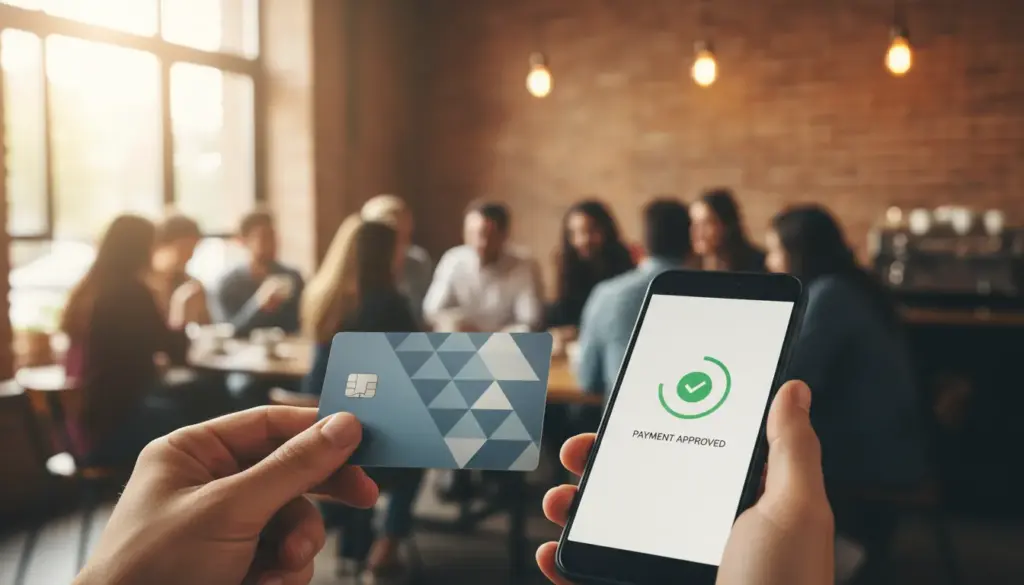
Researchers and threat intelligence teams have documented real-world operations that use this technique. One campaign, uncovered by Cleafy’s Threat Intelligence unit and dubbed SuperCard X, deployed Android malware through social engineering to turn victims’ phones into payment proxies. The infected device acted as a bridge. It captured NFC data from a physical card and relayed it to a distant point-of-sale terminal. This allowed attackers to authorise fraudulent purchases or ATM withdrawals.
The malware was distributed via smishing and scam calls, then installed with minimal permissions to evade mobile security filters. It blurred the line between digital and physical fraud, using the victim’s own hardware as the relay station. The card never left the owner’s possession. Yet the transactions appeared entirely legitimate on the banking side because the genuine chip was involved in the cryptographic handshake.
Why proximity alone is not a security check
This is not a flaw in the encryption. The data itself remains scrambled and the attacker does not need to crack or even read it. The relay equipment simply passes the encrypted signal along unchanged. The target system receives a perfectly valid authentication request and responds exactly as it was designed to do. The security failure happens at the physical layer, not the mathematical one.
Practical shields that actually work
Signal-blocking pouches, often called Faraday bags, use a metallic lining to attenuate radio waves. Placing your key fob inside one severs the wireless link entirely. The car cannot hear the key and neither can the thief. The pouch must be fully sealed and of decent quality, because a torn lining or a cheap single-layer design can leak enough signal to remain vulnerable.
The list below covers the most effective low-tech and electronic defences available today. A relay attack tricks your car into thinking its key fob is nearby by capturing and extending the fob’s short-range signal, which is why blocking that signal is so effective. Most of these solutions do not require modifying the vehicle’s wiring. Most can be put into practice the same day you read this, giving you immediate protection against this type of keyless theft.
- Store all key fobs in a quality Faraday pouch with a double-layer metallic lining and check the seal regularly for wear or creasing that could create a gap.
- Place keys away from external walls, front doors and windows, ideally inside a metal tin or a closed drawer that adds an extra layer of attenuation.
- Keep contactless payment cards inside an RFID-blocking wallet or card sleeve when not in use, especially in crowded public spaces such as malls and metro stations.
- Disable passive entry in the vehicle settings menu if the manufacturer offers that option, which switches off the always-listening function that relay attacks depend on.
- Add a secondary immobiliser that requires a unique, non-wireless action before the engine will start, creating a checkpoint that a signal relay alone cannot satisfy.
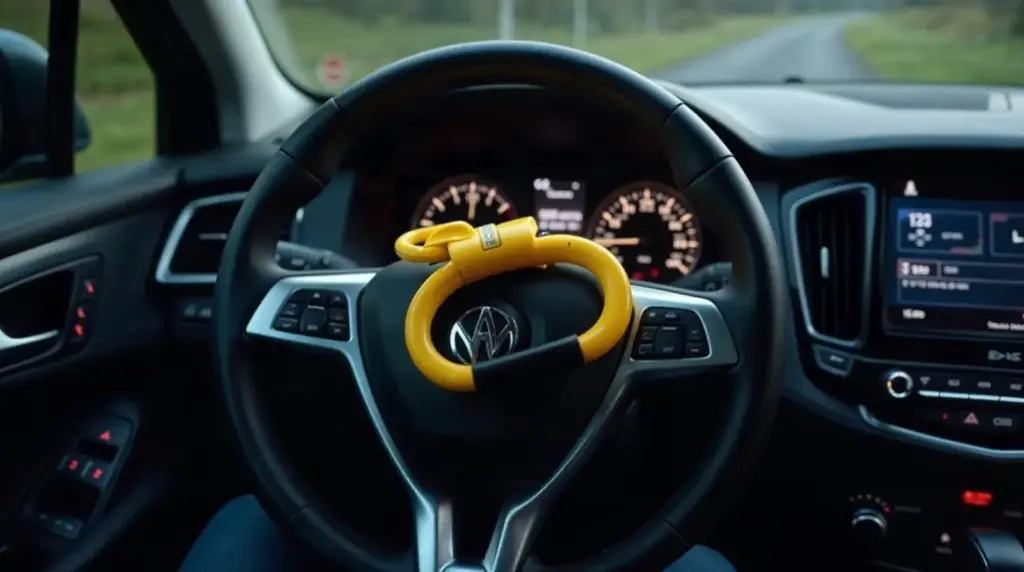
- Use a traditional steering wheel lock as a visible deterrent that also buys time, because even a successful relay theft can be abandoned if the mechanical barrier slows the thief down.
- Switch off NFC and contactless functions on mobile phones when they are not actively needed, reducing the attack surface for malware-based relay fraud.
When the signal trick meets a hard stop
Such systems work by interrupting a critical circuit, often the fuel pump or starter motor, and only reconnecting it when an authorised action is performed. That action might be a specific combination of existing dashboard buttons pressed in sequence. Since this sequence is entered directly inside the vehicle, it never travels through any wireless signal. As a result, no relay amplifier in the world can capture or replicate it, because there is simply no radio communication to intercept.
The beauty of this layered approach is that it does not try to out-engineer the radio protocol. It accepts that the wireless entry system has a vulnerability and places an unrelated barrier behind it. Even if the relay succeeds perfectly, the car remains immobilised. The thief is left sitting in a vehicle that looks ready to drive but refuses to move.