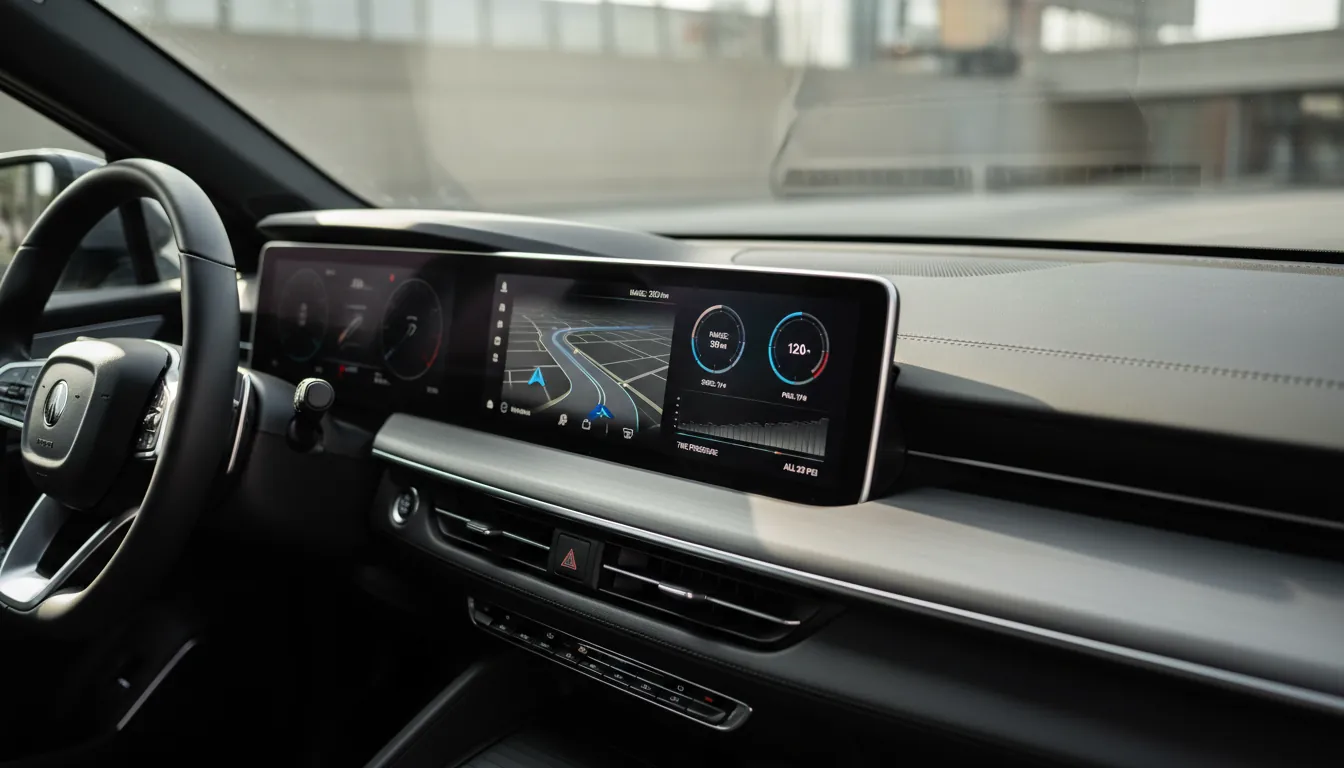
Your car has become a quiet witness. Every journey it makes can be logged, measured and sent far beyond the dashboard, often without a single warning light appearing on the instrument cluster. The vehicle that carries your family through Doha traffic or across the desert highway now carries a second, invisible load of information about how you drive, where you stop and what you say behind the wheel. Understanding that data flow is no longer a niche interest for fleet managers or security specialists. It is a core part of owning a modern vehicle in the Gulf.
Telematics is the technical name for the systems that combine a car’s own data with GPS tracking and wireless communications. The purpose is often framed as safety, security and convenience, and those benefits are real. Remote immobilisation can stop a stolen car, automatic collision assistance can summon help after a crash, and vehicle health monitoring can warn you before a breakdown in summer heat. But the same systems that offer protection also create a detailed record of your movements. The question is not whether cars collect data. The question is who gets to read it.
What the Car Actually Collects
A connected car generates two broad streams of information. The first comes from the telematics control unit, the factory-fitted cellular modem that reports vehicle operations, driver behaviour and precise location. It knows when you brake hard, how fast you accelerate and whether you routinely drive late at night. The second stream comes from the infotainment system, the built-in interface that turns a car into a mobile communications device. That system can hold voice commands, text messages, contacts, schedules and the preferences you set for navigation and audio.
Your phone hands over even more when you pair it with the car. Call logs, message previews and address books can sync to the head unit, and the vehicle may retain copies long after you unplug the cable. In a crash, a separate event data recorder captures a short snapshot of speed, braking and seatbelt use. None of this is secret technology. It is standard equipment in most new cars sold in North America, and fully connected vehicles are expected to dominate the global market within a few years.
Who Can See the Data
The manufacturer is usually the first recipient. The car’s built-in modem sends telemetry back to the company that built it, and the manufacturer can then pass that information to service providers, dealers, insurers and other businesses. Fleet managers have used similar systems for years to track fuel efficiency, vehicle location and driver behaviour. Law enforcement agencies can also request access in specific circumstances, and financing companies may use remote immobilisation when payments are missed.
Regulators have started to push back on the quietest forms of sharing. In the United States, the Federal Trade Commission has described geolocation from cars as sensitive information and has alleged that some companies collected and sold driving and location data without proper consent. One proposed order against a major automaker and its connected services brand included a five year ban on disclosing that data to consumer reporting agencies. California’s privacy agency has also fined a car maker over how it handled privacy requests.
In the European Union, data protection authorities treat the connected car as terminal equipment. This brings strict consent rules into play. Location data, biometric data and anything that could reveal offences are singled out for special care. For drivers in Qatar and the wider Gulf, the practical lesson is that data protection depends on where the car was sold, which services were activated and what the owner agreed to during the sales process.
Usage-Based Insurance and Driving Scores
This model is spreading because it rewards careful driving, but it also creates a new kind of record. A score built from telematics data can follow a driver across providers and even appear in consumer reports. Before signing up for any program, consider asking what is collected, who sees it and how long it is kept. You do not need to buy insurance through a telematics scheme to keep your car secure.
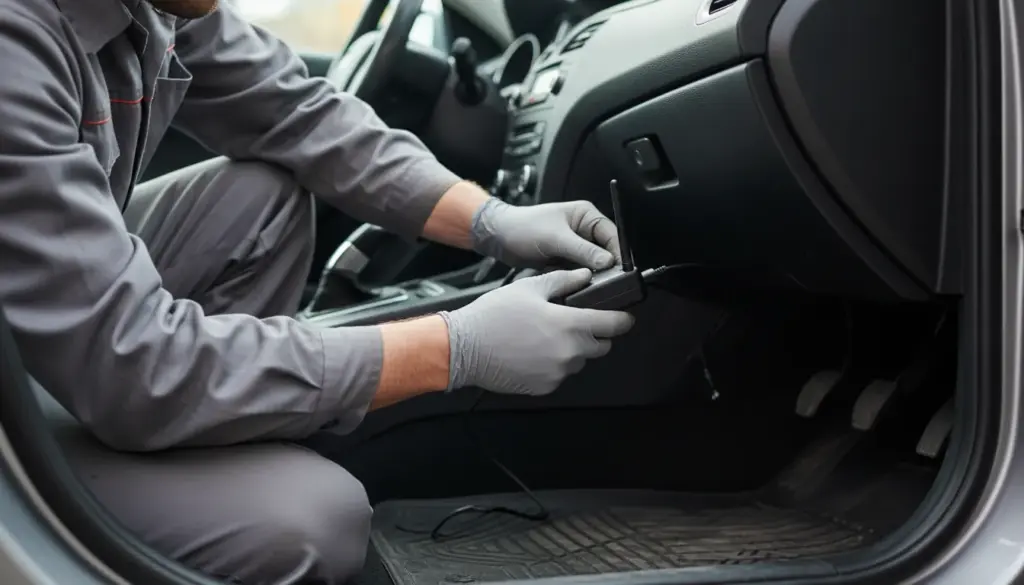
Embedded Telematics Versus Aftermarket Trackers
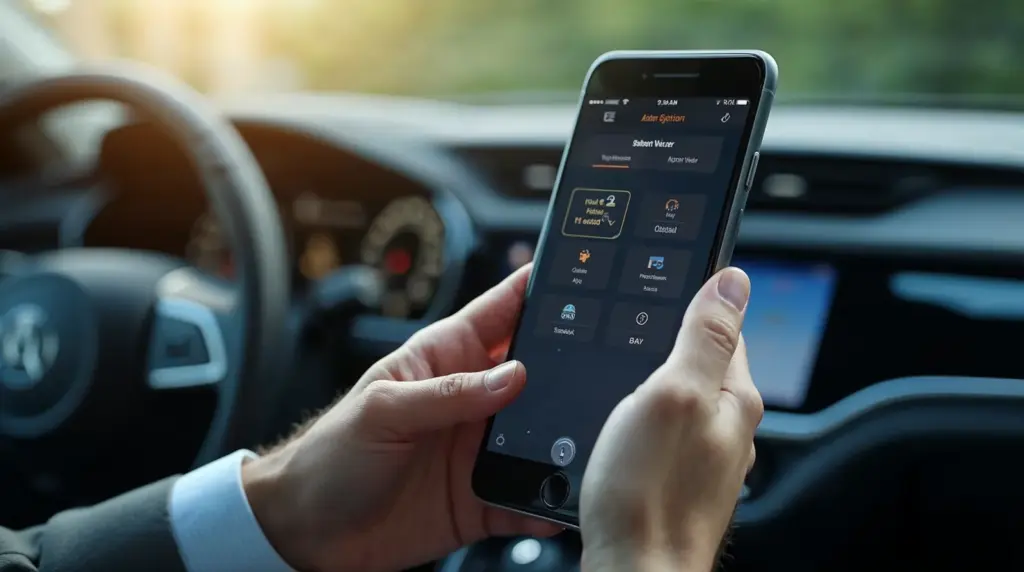
Embedded telematics is different. The modem is built into the car from the factory, and the owner may never see it or switch it off. You can access the vehicle’s telemetry through the manufacturer’s connected services app, which typically lets you monitor location, lock and unlock doors, and preheat or cool the cabin. The convenience is obvious, but the data path is less transparent. The car reports to the manufacturer even when you are not looking at the app.
| Data Type | Source | Typical Recipients |
|---|---|---|
| Precise location | Telematics control unit | Manufacturer, service providers, insurers |
| Hard braking and acceleration | Telematics control unit | Manufacturer, insurers, fleet managers |
| Voice commands and contacts | Infotainment head unit | Manufacturer, app providers |
| Phone sync data | Companion app and head unit | Manufacturer, connected service providers |
| Crash snapshot | Event data recorder | Law enforcement, insurers, courts |
For security-minded owners, the choice is not between telematics and no telematics. It is between accepting the factory system on its own terms and adding an aftermarket tracker that you control directly. Both can help recover a stolen vehicle, but the aftermarket unit can be installed, removed and monitored on your terms. The factory system may continue reporting to the manufacturer for as long as the car exists.
Practical Limits You Can Set
Before you sell or return a car, wipe the head unit and remove any paired phones. Rental cars deserve special attention. Delete your phone from the vehicle before handing back the keys, because the car may have stored your contacts and call logs the moment you paired them. In the United States, event data recorder data belongs to the owner or lessee, and others may access it only in five listed situations. Similar protections vary by country, so check the local rules that apply to your vehicle.
What the Gulf Owner Should Ask
When you buy a new or used connected car, consider asking the dealer about the data settings. For example, ask which services are active by default, which parties receive the data, and how to turn off optional streams. The answers may not be printed on the sales sheet, but a reputable dealer should be able to explain the basic settings. If the car has a companion app, download it and review every permission before you accept the defaults.
Treat the car’s data settings the way you treat your phone’s privacy settings. Review them when you take delivery, after any software update and before any long trip. You do not need to become a telematics engineer to protect yourself. You only need to know that the car is listening, recording and reporting, and that the off switch, where one exists, is usually buried in a menu rather than mounted on the dashboard.
Security Hardware and the Data Shadow
The most practical approach is to treat the car as a device that happens to have wheels. Secure the vehicle with the physical and electronic tools you choose, and secure the data with the same care you apply to a laptop or phone. Check the settings, limit the sharing, and wipe the system before you pass the car on. The car will still get you where you are going. It just will not tell everyone else exactly how you got there.
Reading the Fine Print Before It Reads You
Connected car data is not a future problem. It is already flowing from vehicles on Gulf roads, through built-in modems and into manufacturer servers. The benefits of remote monitoring, collision assistance and usage-based discounts are real, but they come with a record that can outlast the journey. That record includes where you went, how you drove and what your phone shared with the head unit.